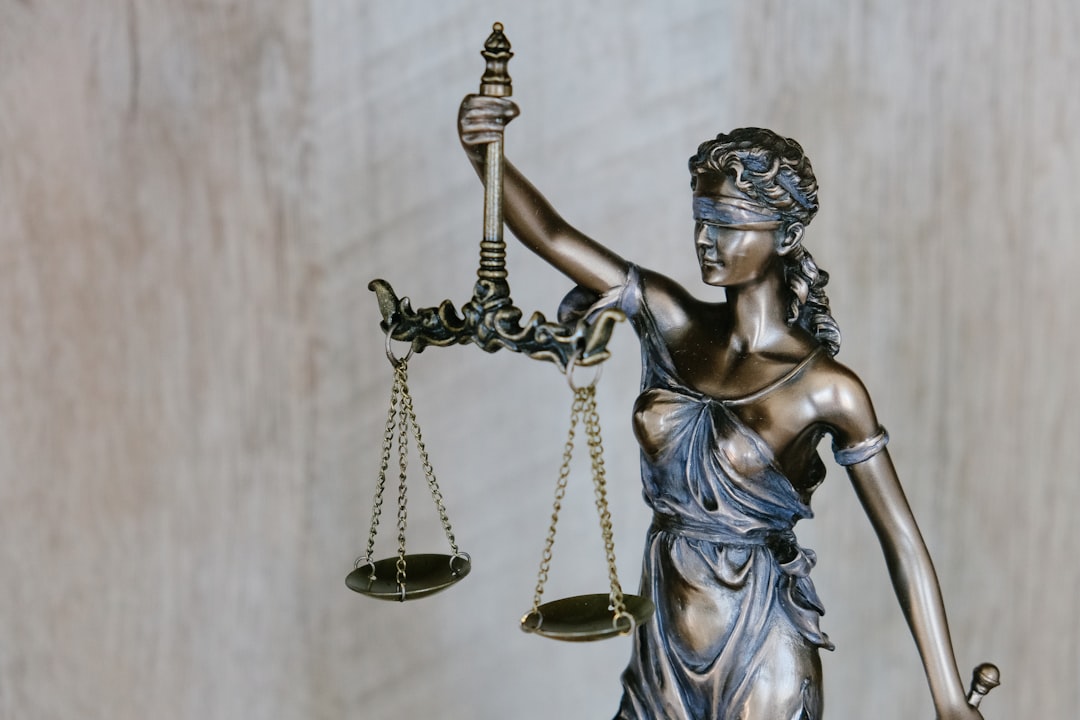
The "do not call" registries protect consumers but have exemptions for businesses with established relationships, charitable organizations, political campaigns, and government entities. Explicit consumer consent also allows calls. Do Not Call Lawyers NC emphasize understanding these exceptions to avoid legal issues and respect legitimate business practices.
The "do not call" registry is a cornerstone of consumer privacy protection, but exceptions can arise, leaving individuals confused and vulnerable to unwanted telemarketing. While the national do not call registry provides valuable respite from unsolicited calls, certain scenarios—such as charitable organizations, political campaigns, or specific business-to-business interactions—are exempt. This article delves into these exceptions, arming consumers with knowledge to protect their rights and guiding them on when they can expect, or necessitate, interaction from Do Not Call Lawyers NC. By understanding these nuances, individuals can navigate the complexities of telemarketing laws effectively.
Understanding Exemptions: When Do Not Call Rules Don't Apply

In many jurisdictions, the national do not call registry aims to protect consumers from unwanted telemarketing calls. However, the rules governing these registries are not without exceptions. Understanding these exemptions is crucial for both consumers and businesses, as it clarifies when the "do not call" directives don't apply. One notable exemption involves organizations with established business relationships. According to the Federal Trade Commission (FTC), companies that have had a previous interaction with a consumer, such as a recent purchase or subscription, are exempt from certain do not call rules. This exception allows businesses to continue contacting clients about related products or services without seeking explicit consent first.
Another significant exemption pertains to charitable organizations and political campaigns. Non-profits and political entities can make calls for fundraising or advocacy purposes without being listed on the national do not call registry. This provision is designed to facilitate charitable giving and civic engagement, ensuring these organizations can reach out to potential donors and supporters effectively. For instance, a cancer research foundation may contact individuals who have previously donated to raise funds for its cause without violating do-not-call regulations due to this exemption.
Do Not Call Lawyers NC emphasize the importance of recognizing and adhering to these exemptions to avoid legal complications. Businesses should implement robust internal processes to ensure compliance with the rules while leveraging these exemptions where applicable. Consumers, too, can benefit from understanding their rights under these exceptions, allowing them to make informed choices regarding their communication preferences. By navigating these nuances, businesses can maintain ethical practices and consumers can enjoy a balance between privacy and relevant information.
Legal Loopholes Explained: Navigating Exceptions with Do Not Call Lawyers NC

The National Do Not Call Registry, while powerful in protecting consumers from unwanted telemarketing calls, is not without its exceptions. These loopholes, often nuanced and complex, allow certain calls to bypass registry restrictions. Understanding these exceptions is crucial for both businesses operating within legal boundaries and individuals seeking protection.
One significant exception involves calls made by or on behalf of a government entity. Federal, state, or local governments are exempt from the Do Not Call Registry rules, meaning they can contact registrants with impunity. This includes agencies dealing with vital services like public safety, health departments, or financial aid offices. However, this exemption doesn't extend to commercial telemarketing by government contractors or third-party vendors on their behalf. For instance, a call from a private collection agency working for the IRS seeking payment for back taxes would be subject to registry restrictions, even if it's indirectly related to a governmental service.
Another legal loophole lies in the concept of consent. If a consumer provides explicit consent in writing or verbally to receive calls from a particular organization, these calls are permitted, regardless of their frequency or the consumer's registration status. This is particularly relevant for financial institutions and healthcare providers, who often rely on phone communication for important updates or services. However, businesses must meticulously document and honor this consent, as non-compliance can result in severe penalties. Do Not Call Lawyers NC emphasize the importance of clear, documented consent processes to avoid legal complications.
Moreover, certain types of calls are inherently exempt due to their nature. For example, political organizations and candidates conducting surveys or polling for election purposes are not required to check the National Do Not Call Registry before dialing. Similarly, non-profit organizations soliciting donations on behalf of charitable causes also fall under this category. These exemptions highlight the careful balancing act between consumer privacy and free speech in regulatory frameworks.
Consumer Rights and Wrongs: Recognizing Legitimate Do Not Call Registry Exceptions
The national do not call registry, maintained by the Federal Trade Commission (FTC), is designed to protect consumers from unwanted telemarketing calls. However, despite its comprehensive reach, there are exceptions that both consumers and businesses should be aware of. Understanding these exceptions is crucial for ensuring compliance with the Telemarketing and Consumer Fraud and Abuse Prevention Act (TCFAPA) while also respecting legitimate business practices.
One significant exception involves calls made with the prior consent of the consumer. This includes situations where an individual has explicitly agreed to receive marketing calls from a specific company, such as when they've signed up for email newsletters or provided their phone number during a purchase transaction. Do not call lawyers NC emphasize that businesses must honor this consent and can face legal repercussions if they violate it. For instance, a consumer who signs up for text alerts from a retail chain regarding promotions and sales has given explicit consent for such calls, making these communications exempt from do-not-call rules.
Another critical area is the use of automatic telephone dialing systems (ATDS) for business purposes. While ATDS usage is generally restricted by the TCFAPA, certain legitimate business activities are permitted. For-profit organizations conducting sales or marketing campaigns may utilize ATDS to make calls, as long as they adhere to specific guidelines. This includes practices like telemarketing, debt collection, and political campaigning. Do not call lawyers NC suggest that businesses should carefully document their ATDS usage to demonstrate compliance in case of scrutiny by regulatory bodies. For example, a non-profit organization conducting a fundraising campaign could employ an ATDS to make automated calls to potential donors, as long as the messages are personalized and comply with TCFAPA standards.
Moreover, business-to-business (B2B) communications are generally exempt from do-not-call regulations. Companies engaging in sales or marketing activities primarily targeted at other businesses, rather than individual consumers, are not required to adhere to the national do not call registry. This exemption allows for more flexibility in B2B outreach strategies while ensuring that consumer privacy is still respected through informed consent mechanisms. In summary, navigating these exceptions requires a nuanced understanding of both legal obligations and legitimate business practices, underscoring the importance of consultation with Do Not Call Lawyers NC for clarity and compliance.